

Modern buildings require intelligent systems to handle the growing demands of security, energy efficiency, and occupant comfort. Building automation integrates various infrastructure components—such as lighting, HVAC, CCTV, Alarms, and Access Control—into a centralised platform. This cohesive management not only streamlines operations but also improves decision-making and reduces overall costs.
Here’s how building automation delivers value across three key areas:
Enhanced Security
Improved Comfort & User Experience
Reduced Operational Costs & Greater Efficiency
Let’s explore each in detail.
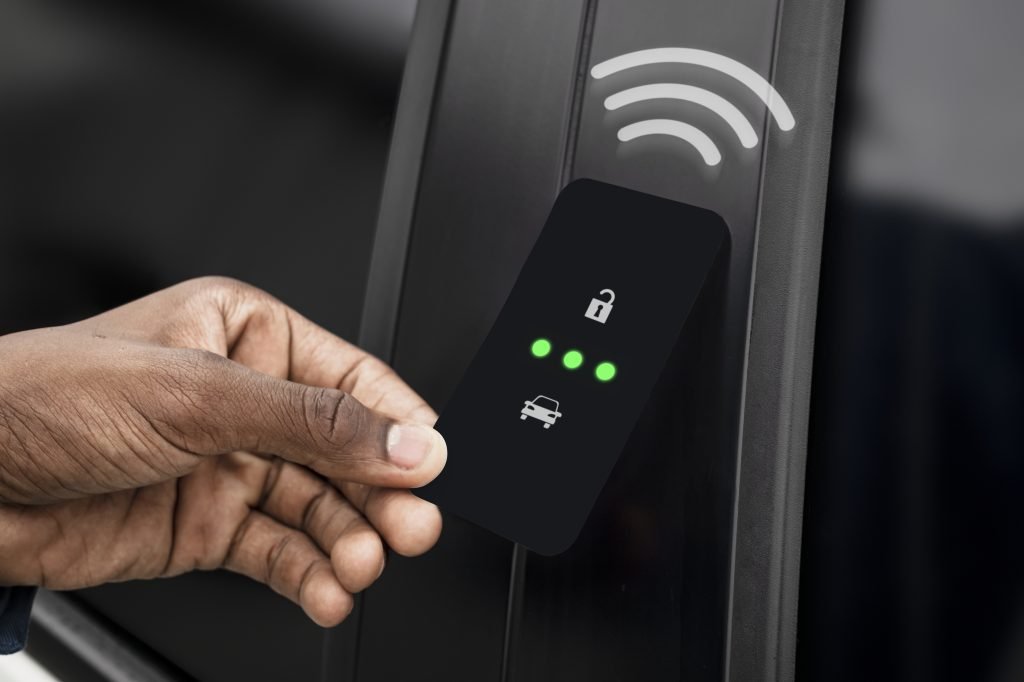
1. Enhanced Security Through Seamless Integration
- Centralised Access Control
Building automation unifies doors, turnstiles, elevators, and gates under one system. This delivers real-time usage logs, centralised credential management, and the ability to instantly revoke access when necessary. - Smart Surveillance & Analytics
Integrating CCTV with motion sensors and AI-driven analytics enables automatic detection of anomalies—such as loitering in restricted areas or after-hours movement—and issues immediate alerts. - Coordinated Alarm Systems
Intrusion, fire, and environmental alarms can work in concert. For example, a fire alarm can trigger lockdowns, adjust ventilation, or close specific doors automatically, ensuring a safer, more coordinated response. - Remote Monitoring & Incident Investigation
Automated systems enable 24/7 monitoring via secure dashboards or mobile alerts. This ensures incidents are recorded, data is stored off-site, and response is both faster and better informed.
2. Elevated Comfort and Occupant Experience
- Responsive HVAC Control
Occupancy sensors and weather data guide real-time heating, cooling, and ventilation adjustments—ensuring optimum comfort without energy waste. - Human-Centric Lighting
Automated lighting responds to natural daylight, time of day, and specific area use. This improves visual comfort, wellbeing, and productivity, while reducing energy costs. - Intelligent Room Utilisation
Automation tracks usage patterns and integrates with room-booking systems. This prevents wasted space and enhances coordination among teams, cleaning services, and support staff. - Air Quality Monitoring
Sensors that track CO₂ levels, humidity, and other factors automatically adjust ventilation to maintain air purity and support health and productivity.
3. Significant Operational & Cost Benefits
- Energy Efficiency
Automated scheduling and zoning cuts down on unnecessary heating, cooling, and lighting. Compared to static systems, automation often yields energy savings of 20–40%. - Preventative Maintenance
Automated monitoring identifies performance deviations in equipment. This supports early intervention, reducing downtime and extending asset lifespan. - Smarter Resource Allocation
Facility usage data helps optimise staffing, cleaning routines, and utility deployment—eliminating waste and improving ROI. - Regulatory & Sustainability Reporting
Automation platforms track energy usage and emissions by building or system, simplifying compliance with BREEAM, LEED, and ISO reporting standards.
4. A Future-Ready, Integrated Infrastructure
Building automation serves as the infrastructure’s central nervous system, integrating diverse systems into a single operational hub:
Subsystem | Gains from Integration |
Security & Surveillance | Holistic incident visibility and rapid response |
HVAC & Lighting | Automated comfort management without excessive energy use |
Access Control | Adaptive permissions aligned with occupancy and time of day |
| Booking & Occupancy | Optimised space usage and operational efficiency |
5. Implementation Best Practices
- Define Strategic Objectives
Clarify the goals—whether that’s enhanced security, occupant comfort, or cost reduction—before selecting systems and design approaches. - Conduct a Detailed Site Assessment
Map existing assets, identify gaps, and determine upgrade priorities. Use a phased rollout approach to simplify transition. - Adopt Open, Scalable Solutions
Select systems that accommodate modern protocols (BACnet, Modbus, MQTT) for future-ready adaptability. - Prioritise Usability
Ensure interfaces are intuitive for administrators and invisible for occupants—maximising adoption without disruption. - Leverage Data Continuously
Use system data to refine schedules, maintenance programs, and cost reductions as building usage patterns evolve.
Contact Creative Networks Today
At Creative Networks, we design, implement, and manage advanced building automation solutions tailored to your commercial or public infrastructure. Our expertise spans system integration, energy optimisation, safety protocols, and system usability.
Contact Creative Networks today to explore tailored automation strategies that elevate safety, comfort, and operational performance in your facilities.