Systems that slow your team down are more than frustrating—they cost you time and money. At Creative Networks, we treat efficiency and resilience as two sides of the same coin. Our managed IT services UK focus on cutting operational drag first, then building the steady foundation your business needs to run smoothly no matter the season. Read on to see how clearer support, tighter control, and fewer interruptions can help your teams work smarter every day.
Rethinking Operational Efficiency
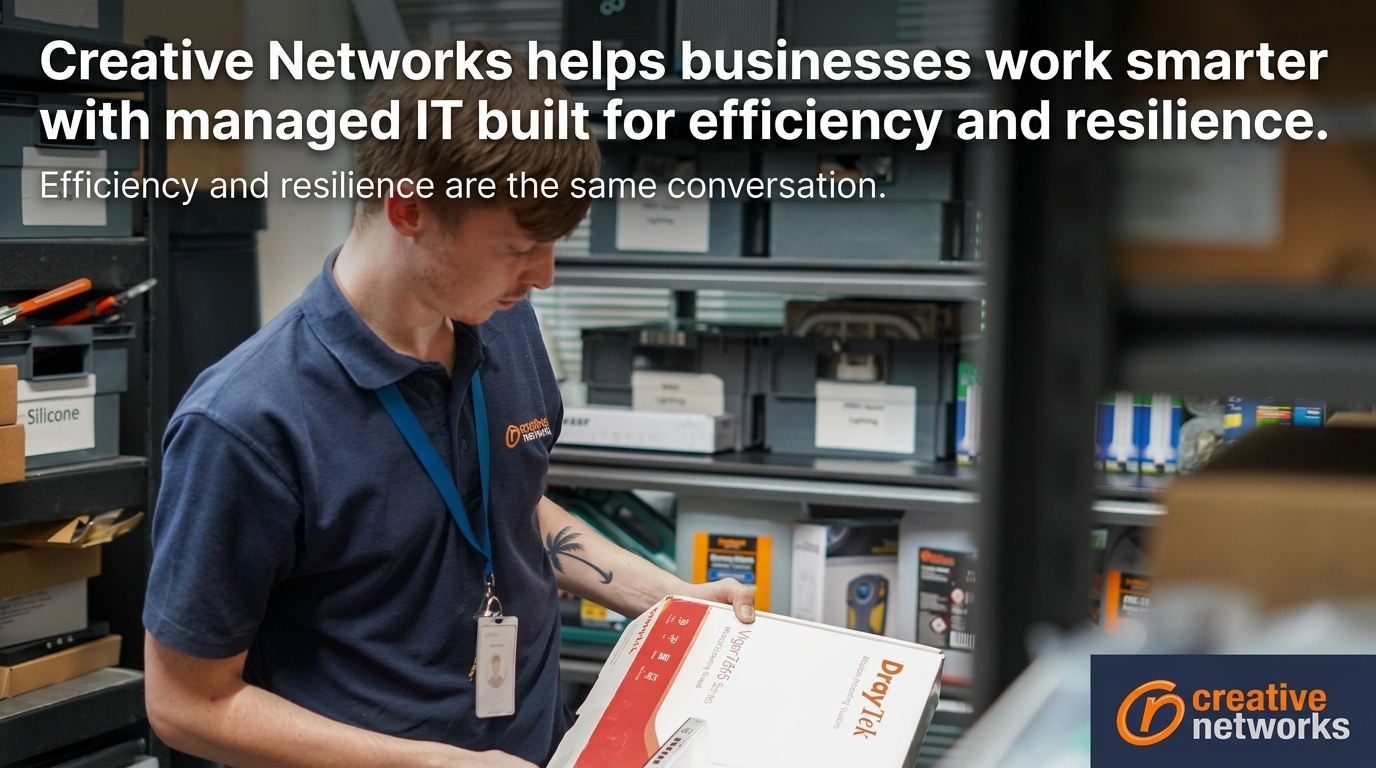
Operational efficiency isn’t just about speed; it’s about cutting through system slowdowns that drain your resources. By understanding the hidden costs of friction, you can make smarter decisions that align technology with business goals.
The Hidden Cost of System Friction
Friction in your systems can be costly. When technology isn’t working seamlessly, it not only slows down processes but also impacts your bottom line. Think of how many hours are lost each week because of slow networks or outdated software. This downtime translates into missed opportunities and reduced productivity.
Every minute of disruption affects your team’s ability to deliver results. A sluggish system can lead to frustration, decreased morale, and even drive clients away. By identifying these issues, you can begin to address the real cost of inefficiency.
To combat this, consider investing in solutions that ensure smooth, uninterrupted workflows. This might mean upgrading your hardware, moving to a more reliable cloud service, or implementing regular maintenance checks. The key is to ensure your technology supports your business rather than hinders it.
Aligning IT Strategy with Business Goals
Aligning your IT strategy with business goals is crucial for success. This alignment ensures that every technological investment propels your business forward. Start by identifying your core business objectives. Whether it’s increasing revenue, expanding market reach, or improving customer satisfaction, your IT strategy should support these goals.
Assess your current technology. Is it helping you achieve your targets, or is it holding you back? Prioritise updates and improvements that directly impact your goals. This could involve adopting new software, enhancing security measures, or streamlining communication.
When systems work against you, productivity suffers. It’s not just about fixing problems as they arise; it’s about preventing them in the first place.
The Hidden Cost of System Friction
System friction can be costly, slowing down processes and affecting your bottom line. Every hiccup eats into your time and resources. Imagine a world where your IT systems flow smoothly, with no unexpected breakdowns. In such a world, your team can focus on what truly matters: achieving business goals.
Reducing friction starts with proactive measures. This means tackling issues before they become problems. Through regular maintenance and updates, systems remain in top condition. This kind of foresight can save you countless hours and headaches.
Aligning IT Strategy with Business Goals
Your IT strategy should align with your business goals. It’s not just about having the latest technology; it’s about having the right technology. Every piece of your IT puzzle should support your objectives.
To achieve this, consider your current systems. Are they helping or hindering your progress? By assessing your infrastructure, you can identify gaps and areas for improvement. A well-aligned IT strategy leads to better decision-making and a sharper competitive edge.
Building Resilience with Managed IT
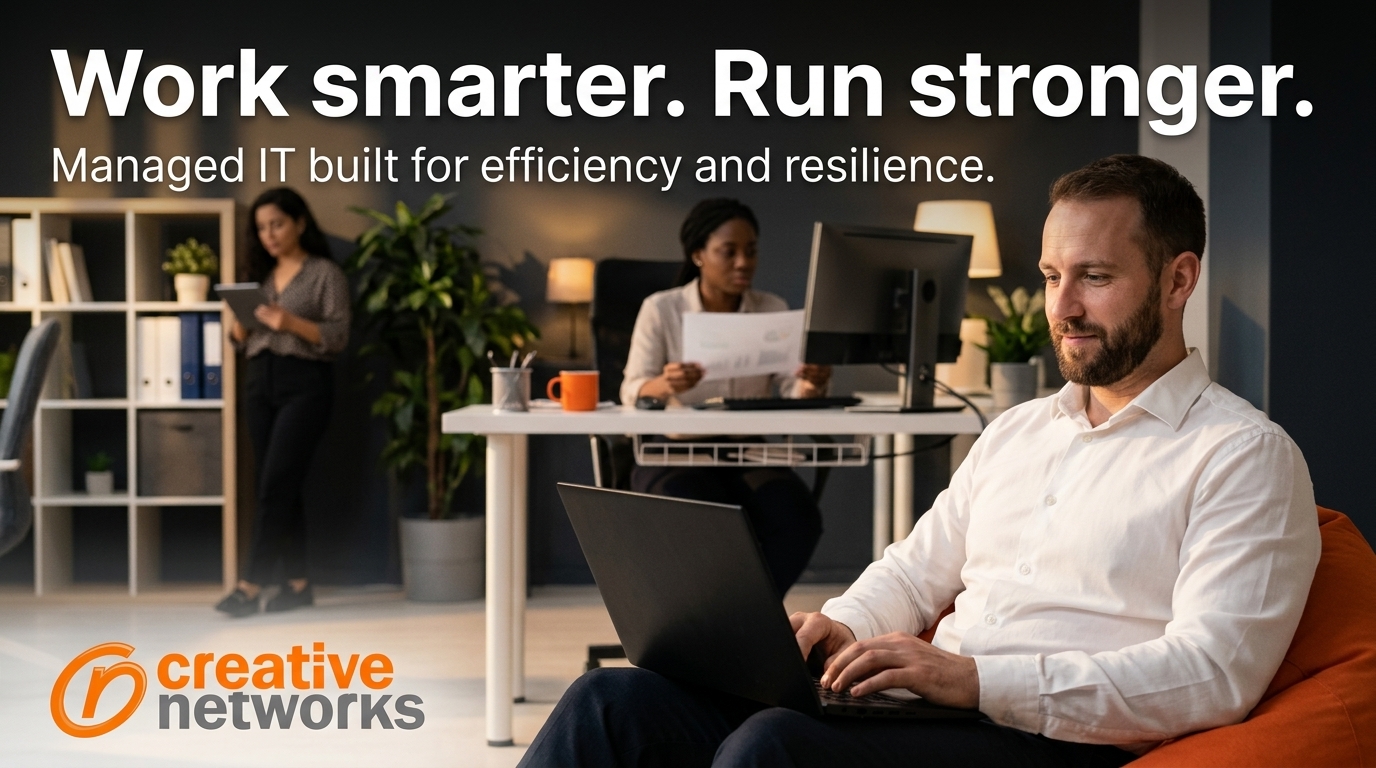
Creating a resilient IT environment means ensuring your systems can withstand challenges. Managed IT services provide this stability.
Calmer Support Through Proactive Monitoring
Proactive monitoring offers peace of mind. It keeps a watchful eye on your systems, detecting and resolving issues before they escalate. This reduces the likelihood of unexpected downtime and ensures continuity.
With a team dedicated to monitoring your systems, you can focus on your business. Knowing that experts are managing your IT infrastructure allows for greater confidence and reduced stress.
Minimising Downtime with Reliable Cloud Services
Reliable cloud services are crucial for minimising downtime. By storing data offsite, you protect it from localised disruptions. Cloud solutions offer flexibility, allowing for seamless access and collaboration.
Incorporating cloud services into your IT strategy enhances resilience. It ensures that your business can continue operating, even in the face of unexpected challenges. The cloud is not just a storage solution—it’s a safeguard for your business continuity.
Ensuring Compliance and Security Standards
Compliance and security are paramount. Adhering to standards like GDPR and ISO 27001 means your business operates within legal frameworks. It also protects against data breaches and cyber threats.
Maintaining compliance can be complex, but managed IT services simplify the process. By ensuring your systems meet security standards, you avoid costly fines and maintain your reputation.
Practical Steps to Enhance Business Continuity
Building a resilient IT framework involves taking practical steps to ensure business continuity.
The Role of Managed Backup and Recovery
Managed backup and recovery are essential components. They provide a safety net, allowing you to restore data swiftly after a loss. Regular backups ensure that no critical information is ever permanently lost.
With an effective backup strategy, your business remains operational even during disruptions. This reliability builds trust with clients and fortifies your reputation.
Enhancing Security with Endpoint Protection
Endpoint protection is vital in safeguarding your network. It defends against threats targeting devices like laptops and smartphones. With comprehensive endpoint security, you reduce vulnerabilities that could lead to breaches.
Implementing robust endpoint protection measures strengthens your overall security posture. It keeps sensitive information secure and supports compliance efforts.
Strategic Benefits of Network Monitoring and Control
Network monitoring provides a clear view of your IT infrastructure. It allows you to track performance and spot potential issues before they arise. This proactive approach results in smoother operations and fewer surprises.
By maintaining control over your network, you ensure it supports your business goals. This strategic oversight translates to better performance and reduced downtime, ultimately improving efficiency.
Frequently Asked Questions
What is managed IT, and how can it benefit my business?
Managed IT involves outsourcing your IT needs to a specialised provider. It offers benefits like reduced downtime, enhanced security, and cost savings.
How does cloud storage improve business continuity?
Cloud storage protects data from localised disruptions, allowing for seamless access and collaboration even during outages.
Why is endpoint protection important?
Endpoint protection defends devices against threats, reducing vulnerabilities and enhancing overall network security.
How can network monitoring improve my IT strategy?
Network monitoring provides insights into performance, allowing for proactive issue resolution and smoother operations.
What compliance standards should my business follow?
Adhering to standards like GDPR and ISO 27001 ensures legal compliance and protects against data breaches.