
Spear phishing is a highly deceptive and targeted form of Cyberattack that poses serious risks to businesses of all sizes. Unlike traditional phishing, which targets a broad audience with generic bait, Spear Phishing is tailored to a specific individual or organisation, making it more convincing—and often more dangerous.
In this guide, Creative Networks explores What is Spear Phishing, how it differs from regular phishing, common tactics used by attackers, real-world examples, and How to prevent these attacks from compromising your business.
What is Spear Phishing in Cybersecurity?
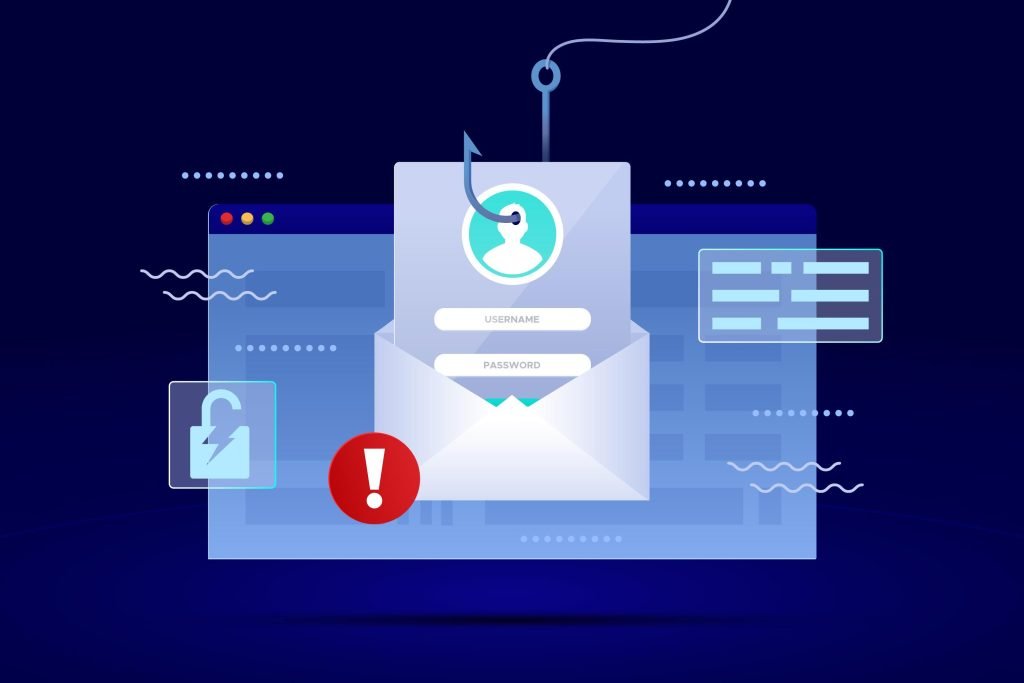
Spear phishing is a form of Cyberattack in which fraudsters send emails or messages that are carefully crafted to deceive a specific recipient. These messages often impersonate trusted individuals—such as colleagues, executives, or vendors—and may contain personal information that increases their credibility.
The goal? To trick the recipient into:
- Clicking malicious links
- Downloading malware-laced attachments
- Disclosing sensitive credentials or financial information
Key Characteristics of Spear Phishing:
- Highly personalised
- Based on detailed reconnaissance
- Often difficult to detect
- Targets high-value individuals or assets
Spear Phishing vs Phishing: Difference
Aspect | Phishing | Spear Phishing |
Target Audience | Broad, mass-audience | Individual or specific organisation |
Level of Personalisation | Very low | Very high (name, role, habits) |
Volume | High (thousands at once) | Low (few or single targets) |
Preparation Time | Minimal | Considerable research involved |
Success Rate | Lower | Higher due to credibility |
Intent | Credential theft, malware spread, identity fraud | Financial fraud, corporate espionage, privileged access |
While both phishing and spear phishing are cyber threats that involve fraudulent communications to trick individuals into divulging confidential information, they differ significantly in their approach and execution:
Phishing: This method involves sending mass emails or messages to a broad audience, without personalization, hoping that some recipients will fall victim. These messages often claim to be from reputable sources and contain generic content designed to lure as many people as possible.
Spear Phishing: In contrast, spear phishing is meticulously crafted for a specific individual or organization. Attackers conduct thorough research on their targets, using personal or organizational details to make their messages appear legitimate and relevant. This personalization increases the likelihood of the victim responding or clicking on malicious links.
Understanding these distinctions is crucial for implementing effective defense mechanisms against both types of attacks
Tactics Used in Spear Phishing Attacks
Attackers employ various strategies to enhance the effectiveness of spear phishing attempts:
- Email Spoofing: Crafting emails that appear to originate from trusted sources within the target’s organization or known contacts.
- Personalised Content: Including specific information about the target, such as their role, recent activities, or interests, to make the message more convincing.
- Malicious Attachments or Links: Embedding harmful links or attachments that, when clicked or opened, install malware or lead to counterfeit websites designed to harvest credentials.
- Impersonation: Posing as executives or colleagues to request sensitive information or initiate unauthorized financial transactions.
By leveraging these tactics, attackers exploit human psychology and trust to achieve their malicious objectives.
How Do Spear Phishing Attacks Differ from Standard Phishing?
In spear phishing:
- Emails appear authentic: Often use familiar tone and branding
- Include specific details: Like job title, current projects, or internal lingo
- Exploit relationships: Impersonate known vendors or leadership to request sensitive actions
- Go unnoticed longer: Because they blend into everyday communication
Common Spear Phishing Tactics
Cybercriminals are constantly refining their techniques. Some of the most common tactics include:
1. Email Spoofing
Emails that mimic a legitimate sender (e.g., the CEO or IT department) using nearly identical domains or forged headers.
2. Personalised Content
Attackers include personal information gleaned from social media, public documents, or previous breaches to build trust.
3. Malicious Attachments or Links
Clicking a link may lead to a fake login page, or an attachment might install spyware or ransomware.
4. Impersonation and Urgency
Emails that pressure the recipient to act quickly—like transferring funds or revealing credentials—often under the guise of authority.
How to Prevent Spear Phishing Attacks
Organisations and individuals can adopt several strategies to mitigate the risk of spear phishing:
1. Employee Training
Regularly educate staff on recognizing suspicious emails and the dangers of unsolicited requests for sensitive information.
2. Email Filtering
Implement advanced email security solutions to detect and block malicious messages before they reach the inbox.
3. Verification Protocols
Establish procedures to verify the authenticity of requests for confidential data or financial transactions, especially those received via email.
4. Regular Software Updates
Keep all systems and applications updated to patch vulnerabilities that attackers might exploit.
5. Multi-Factor Authentication (MFA)
Require multiple forms of verification for accessing sensitive systems, adding an extra layer of security.
Implementing these measures can significantly reduce the likelihood of falling victim to spear phishing attacks.
Conclusion
Spear phishing is one of the most dangerous Cybersecurity threats facing businesses today. It’s not just the complexity that makes it dangerous—it’s the illusion of trust it creates. When attackers know your team, your processes, and your language, even the most experienced employees can be tricked.
Being proactive, educating your staff, and using the right tools are your best defences.
Contact Creative Networks Today
Spear phishing is a growing threat—and no business is too small to be a target.
At Creative Networks, we help UK organisations build strong, proactive defences with tailored Cybersecurity services.
Don’t let your team become the next target.
Contact Creative Networks today for a free Cybersecurity Consultation and take the first step in defending your organisation from spear phishing and other targeted cyber threats.